Author: admin

  • How to Verify an Education Provider Before Paying Fees

    How to Verify an Education Provider Before Paying Fees

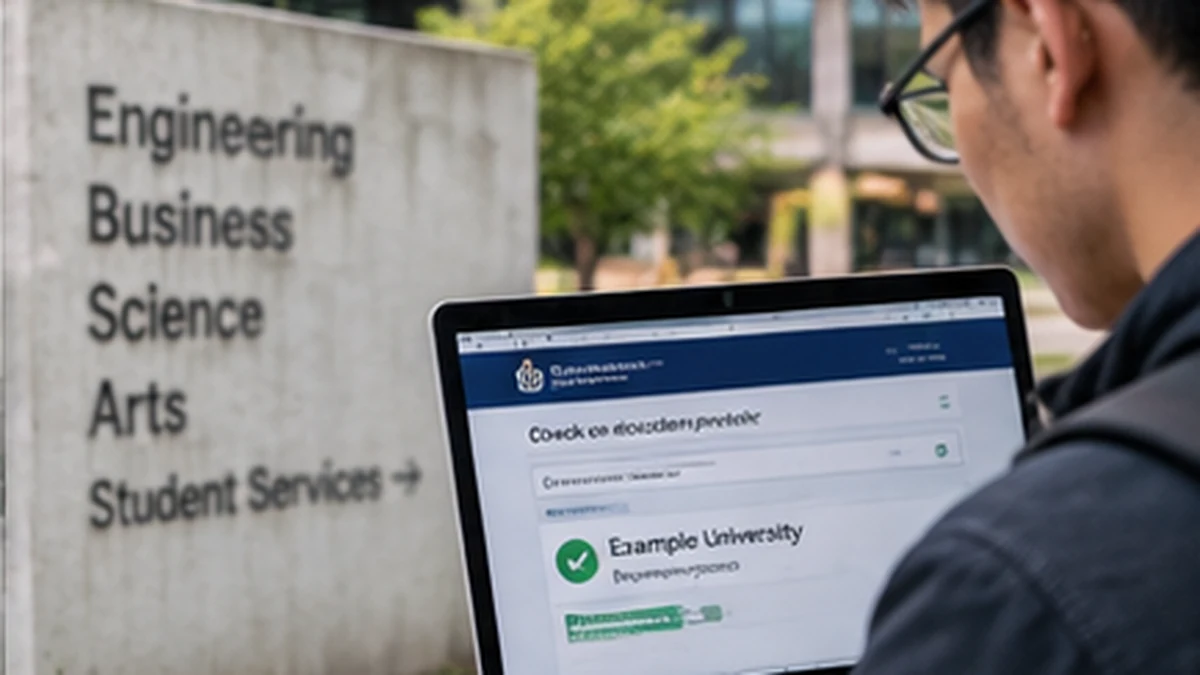
    Verify an education provider Education scams can imitate real universities, training centers, scholarship offices and online academies. A professional website, impressive campus photo or familiar-sounding name does not prove that the provider is legitimate or that its credential will be recognized.

    This guide is designed to help learners make careful education decisions using evidence, official sources and realistic planning. Education systems differ by country and institution, so local rules, recognition and policies should always be checked through the appropriate authority. In this verify an education provider guide, apply the principle to the exact provider, program and country you are considering.

    Verify an education provider using official records

    Check the national education ministry, regulator, accreditor, licensing authority or recognized institution database for the provider’s legal status. For higher education, WHED and national competent authorities can help confirm recognition.

    After this section, write one sentence describing what you know and one describing what still needs verification. This keeps verify an education provider grounded in evidence instead of assumptions.

    For a stronger decision, compare at least two pieces of evidence related to verify an education provider using official records: one from the provider or program itself and one from an independent or official source. The comparison helps you see where marketing language ends and verifiable information begins.

    Check the exact program and awarding body

    Confirm the exact program, campus, online delivery mode and organization issuing the final credential. Scammers and weak providers sometimes borrow the name of a legitimate institution or partner without authorization.

    Use this section as a checkpoint: if the answer would change your choice, cost, eligibility or safety, verify it before moving forward with verify an education provider.

    For a stronger decision, compare at least two pieces of evidence related to check the exact program and awarding body: one from the provider or program itself and one from an independent or official source. The comparison helps you see where marketing language ends and verifiable information begins.

    Confirm identity, contacts and payment details

    Check the official domain, physical address where relevant, published phone numbers, staff contacts and legal business details. Pay through the institution’s official channel or verified bank account.

    Keep a short note of the source, date checked and any condition attached to the information. Education decisions often unfold over weeks, and details can be forgotten.

    For a stronger decision, compare at least two pieces of evidence related to confirm identity, contacts and payment details: one from the provider or program itself and one from an independent or official source. The comparison helps you see where marketing language ends and verifiable information begins.

    Read tuition, deposit and refund terms before paying

    Understand the total amount, payment schedule, cancellation policy and what happens if admission, enrollment or course delivery does not proceed as expected. Keep a copy of the terms.

    If the answer is unclear, ask the institution or competent authority a focused question rather than filling the gap with guesswork. That small habit improves verify an education provider quality.

    For a stronger decision, compare at least two pieces of evidence related to read tuition, deposit and refund terms before paying: one from the provider or program itself and one from an independent or official source. The comparison helps you see where marketing language ends and verifiable information begins.

    Question unrealistic promises and weak academic detail

    Guaranteed degrees in extremely short periods, guaranteed jobs, or credentials based only on life experience are major warning signs. A real provider should explain curriculum, instructors, assessment, policies and support clearly.

    Decide whether this point is mandatory, optional or simply useful. Separating those categories prevents verify an education provider from becoming overloaded with low-priority details.

    For a stronger decision, compare at least two pieces of evidence related to question unrealistic promises and weak academic detail: one from the provider or program itself and one from an independent or official source. The comparison helps you see where marketing language ends and verifiable information begins.

    A realistic education example

    A prospective student is contacted by an online “university” offering a fast degree based mostly on work experience. The website looks professional, but the provider cannot be found in the national higher-education registry and asks for full payment through a personal account. The student stops the transaction and chooses to verify other institutions through official sources before paying.

    The lesson is not that every learner should make the same choice. It shows how verify an education provider becomes more reliable when the student compares recognition, learning quality, cost, support and practical fit before making an irreversible commitment.

    Connect this decision to the rest of your education plan

    Use verify accreditation and recognition through official sources when that becomes the next question, and review review the full education cost before making a payment when you need to strengthen another part of the decision.

    Education planning works best as a sequence. Resolve the highest-risk question first, then move to the next decision instead of trying to optimize every part of verify an education provider at once.

    Common mistakes with verify an education provider

    • Trusting a professional website without checking official records.
    • Paying before reading refund terms.
    • Sending money to personal or unrelated accounts.
    • Accepting guaranteed job or degree promises.
    • Sharing identity documents before verifying the provider.

    These mistakes are common because education decisions mix hope, urgency, money and long-term goals. Slowing the process enough to verify each important claim can prevent expensive corrections later.

    A seven-day action plan for verify an education provider

    Day 1: define the outcome and gather the information you already have. Day 2: verify official recognition or provider status where relevant. Day 3: compare curriculum, format or requirements. Day 4: calculate cost and time. Day 5: check support, policies or transfer rules. Day 6: identify risks and unanswered questions. Day 7: review the evidence and decide whether to proceed, pause or compare another option. In this verify an education provider guide, apply the principle to the exact provider, program and country you are considering.

    This schedule is only a framework. Some education decisions need more time because institutions respond slowly, transfer evaluations take weeks, or financial plans require family discussion. The purpose is to organize verify an education provider, not rush it.

    Practical checklist

    • Provider found in official records
    • Exact program verified
    • Awarding body checked
    • Contact details confirmed
    • Refund rules saved
    • Payment channel verified
    • Unrealistic promises rejected
    • Verification records stored

    Use the checklist to reveal missing information, not to force a quick yes-or-no answer. A strong verify an education provider decision is one where the remaining uncertainty is visible and acceptable.

    Verify before sharing sensitive documents too

    Education providers may request identity documents, transcripts, financial records, passport copies, or previous certificates during admissions. Confirm the provider before sending sensitive information, not only before paying money.

    Use secure official portals where possible and understand why each document is required. Fraud risk is not limited to tuition payments; stolen education and identity records can also be misused.

    Check whether promises appear in official written terms

    Sales staff may describe job placement, internships, transfer agreements, scholarships, or refund conditions verbally. Ask where those promises appear in the official program documents or contract.

    If an important benefit exists only in conversation and cannot be confirmed in writing, treat it as uncertain when making your decision.

    Know how to respond when verification fails

    If the provider cannot be verified, stop payments and document the information you found. If you already paid, contact the payment provider quickly, keep receipts and communications, and use the appropriate consumer-protection or fraud-reporting channel.

    Do not continue sending money because you fear losing what you already paid. Additional payment rarely turns an unverified provider into a legitimate one.

    Frequently Asked Questions

    Does a .edu address prove a school is legitimate?

    No. Domain names alone are not enough. Check the institution through official recognition or regulatory sources.

    What is a diploma mill?

    A diploma mill sells credentials with little or no genuine academic work and may falsely claim recognition or accreditation.

    Should I pay a deposit before verifying accreditation?

    If recognition matters to your goal, verify it before paying a non-refundable amount.

    What if an agent says the institution is recognized but I cannot verify it?

    Ask for the exact official authority or registry and verify independently. Do not rely on screenshots or verbal assurances.

    Questions to ask before you make the final decision

    Before you commit, write down the three questions that could still change your decision about verify an education provider. One question should be about quality or recognition, one about cost or time, and one about what happens after completion. This simple exercise stops minor details from crowding out the questions that could genuinely change the value of the education choice.

    When you ask an institution or provider a question, look for a specific answer rather than reassurance. Names, policies, dates, official links, written conditions, and examples are more useful than phrases such as “don’t worry” or “everyone accepts this.” Keep important answers with your application or enrollment records so the decision remains traceable later. For How to Verify an Education Provider Before Paying Fees, keep this review tied to the specific institution, learning format, and outcome you selected.

    How to document your research

    Create one private folder for How to Verify an Education Provider Before Paying Fees. Save the official program page, recognition or registry result, fee schedule, curriculum, support information, important emails, refund rules, and any comparison notes. Add the date beside information that may change. A clean research file helps you avoid repeating the same searches and makes it easier to explain why you chose the program.

    Documentation is particularly useful when the decision takes several months. Tuition may change, staff may leave, pages may be updated, or your own priorities may shift. Keeping the original evidence does not mean you should ignore newer information; it gives you a reliable baseline for comparing what changed and deciding whether the change matters. For How to Verify an Education Provider Before Paying Fees, keep this review tied to the specific institution, learning format, and outcome you selected.

    Review the decision after you start

    Enrollment is not the end of verify an education provider. During the first meaningful stage of the program, compare the real experience with the evidence you used before enrolling. Check teaching quality, workload, access to support, unexpected costs, assessment, communication, and whether the program is building the knowledge or evidence you expected.

    If something is different, identify whether it is a normal adjustment problem or a structural issue. New students often need time to adapt to pace and expectations, but unrecognized credentials, hidden fees, unavailable support, or major differences between the advertised and delivered program deserve a more serious response. A review habit helps you act on problems while options may still be open. For How to Verify an Education Provider Before Paying Fees, keep this review tied to the specific institution, learning format, and outcome you selected.

    Authoritative resource to review

    For an authoritative reference related to this topic, review Federal Trade Commission – Education and Training. Education systems differ by country, so use the official national authority, institution or regulator when a local recognition or legal question matters.

    Final perspective

    Verify an education provider becomes easier when the decision is built from verified information rather than urgency or marketing. Compare the evidence, protect your money and personal information, and keep a record of the sources that shaped your choice.


  • Education Costs: How to Build a Realistic Study Budget

    Education Costs: How to Build a Realistic Study Budget

    Education costs Education costs extend far beyond tuition. A learner may also pay registration fees, books, software, equipment, housing, transport, food, insurance, examination fees, deposits, childcare, visas, travel and personal expenses. A realistic budget should show the whole study period, not only the number printed on the course page.

    This guide is designed to help learners make careful education decisions using evidence, official sources and realistic planning. Education systems differ by country and institution, so local rules, recognition and policies should always be checked through the appropriate authority. In this education costs guide, apply the principle to the exact provider, program and country you are considering.

    Education costs start with the official tuition and fee schedule

    Use the institution’s current published fees for the exact program, campus, study mode and academic year. Check whether the amount is per course, semester, year or entire program.

    After this section, write one sentence describing what you know and one describing what still needs verification. This keeps education costs grounded in evidence instead of assumptions.

    For a stronger decision, compare at least two pieces of evidence related to education costs start with the official tuition and fee schedule: one from the provider or program itself and one from an independent or official source. The comparison helps you see where marketing language ends and verifiable information begins.

    Add books, software and equipment

    Some programs require textbooks, laboratory materials, professional clothing, tools, laptops, software licenses or specialist equipment. These costs can recur across several courses.

    Use this section as a checkpoint: if the answer would change your choice, cost, eligibility or safety, verify it before moving forward with education costs.

    For a stronger decision, compare at least two pieces of evidence related to add books, software and equipment: one from the provider or program itself and one from an independent or official source. The comparison helps you see where marketing language ends and verifiable information begins.

    Estimate housing, food and living expenses realistically

    Use local prices for rent, utilities, food, phone, internet, laundry and personal costs. If you will live with family, include the costs that still apply instead of assuming living expenses fall to zero.

    Keep a short note of the source, date checked and any condition attached to the information. Education decisions often unfold over weeks, and details can be forgotten.

    For a stronger decision, compare at least two pieces of evidence related to estimate housing, food and living expenses realistically: one from the provider or program itself and one from an independent or official source. The comparison helps you see where marketing language ends and verifiable information begins.

    Include transport, insurance and administrative costs

    Daily commuting, parking, travel home, health insurance, student fees, medical checks, visas, permits, translations and examinations may all affect the real cost.

    If the answer is unclear, ask the institution or competent authority a focused question rather than filling the gap with guesswork. That small habit improves education costs quality.

    For a stronger decision, compare at least two pieces of evidence related to include transport, insurance and administrative costs: one from the provider or program itself and one from an independent or official source. The comparison helps you see where marketing language ends and verifiable information begins.

    Separate one-time costs, recurring costs and emergency margin

    A laptop or deposit may be paid once, while food, rent and subscriptions recur. Add a modest emergency margin and compare the full budget with confirmed funding rather than money you only hope to receive.

    Decide whether this point is mandatory, optional or simply useful. Separating those categories prevents education costs from becoming overloaded with low-priority details.

    For a stronger decision, compare at least two pieces of evidence related to separate one-time costs, recurring costs and emergency margin: one from the provider or program itself and one from an independent or official source. The comparison helps you see where marketing language ends and verifiable information begins.

    A realistic education example

    A student compares two programs and initially chooses the one with lower tuition. After building a complete budget, the student discovers that the cheaper program requires relocation, higher housing costs and expensive equipment. The second program has higher tuition but lower total annual cost because the learner can live at home and use existing technology.

    The lesson is not that every learner should make the same choice. It shows how education costs becomes more reliable when the student compares recognition, learning quality, cost, support and practical fit before making an irreversible commitment.

    Connect this decision to the rest of your education plan

    Use prepare scholarship applications to reduce the funding gap when that becomes the next question, and review compare the total cost across education providers when you need to strengthen another part of the decision.

    Education planning works best as a sequence. Resolve the highest-risk question first, then move to the next decision instead of trying to optimize every part of education costs at once.

    Common mistakes with education costs

    • Budgeting tuition only.
    • Using unrealistic housing or food estimates.
    • Forgetting equipment and software.
    • Counting unconfirmed scholarships or income as guaranteed.
    • Building a plan with no emergency margin.

    These mistakes are common because education decisions mix hope, urgency, money and long-term goals. Slowing the process enough to verify each important claim can prevent expensive corrections later.

    A seven-day action plan for education costs

    Day 1: define the outcome and gather the information you already have. Day 2: verify official recognition or provider status where relevant. Day 3: compare curriculum, format or requirements. Day 4: calculate cost and time. Day 5: check support, policies or transfer rules. Day 6: identify risks and unanswered questions. Day 7: review the evidence and decide whether to proceed, pause or compare another option. In this education costs guide, apply the principle to the exact provider, program and country you are considering.

    This schedule is only a framework. Some education decisions need more time because institutions respond slowly, transfer evaluations take weeks, or financial plans require family discussion. The purpose is to organize education costs, not rush it.

    Practical checklist

    • Official tuition checked
    • Mandatory fees added
    • Books and equipment estimated
    • Housing and living costs included
    • Transport included
    • Insurance and admin costs checked
    • Emergency margin added
    • Funding compared with full budget

    Use the checklist to reveal missing information, not to force a quick yes-or-no answer. A strong education costs decision is one where the remaining uncertainty is visible and acceptable.

    Create best-case and realistic-case budgets

    Build two versions of the budget. The best-case version can use confirmed scholarships and lower-cost housing. The realistic version should include ordinary price increases, transport, books, and a modest emergency margin.

    If the education plan works only under perfect financial conditions, it may be fragile. A sustainable budget should survive common variations without creating an immediate crisis.

    Track costs by month as well as by year

    Annual totals can hide cash-flow pressure. A student may technically have enough money for the year but still face a difficult month when tuition, deposit, insurance, and travel are due at the same time.

    Map major payment dates and monthly living costs. This helps you decide how much money must be available before enrollment and how much ongoing income or aid is needed later.

    Recalculate when the program or living plan changes

    A new campus, different housing, changed tuition, extra laboratory course, delayed graduation, or reduced scholarship can change the budget significantly. Update the plan rather than continuing with the old numbers.

    Budgeting is useful because it can be revised. Treat it as a living document throughout the education period, not a one-time spreadsheet created before the first semester.

    Frequently Asked Questions

    What is the difference between tuition and cost of attendance?

    Tuition is only the education charge. Cost of attendance or total study cost may include housing, food, books, supplies, transport and other expenses.

    Should I include part-time work income?

    You can include realistic income that you are legally and practically able to earn, but avoid building a plan that depends on work you have not secured.

    How much emergency money do I need?

    There is no universal amount. Consider the risks in your situation and build a margin that can cover common unexpected expenses.

    Should I borrow the maximum loan available?

    Not automatically. Borrowing has long-term consequences. Understand the terms, total repayment and whether the education plan remains affordable before taking debt.

    Questions to ask before you make the final decision

    Before you commit, write down the three questions that could still change your decision about education costs. One question should be about quality or recognition, one about cost or time, and one about what happens after completion. This simple exercise stops minor details from crowding out the questions that could genuinely change the value of the education choice.

    When you ask an institution or provider a question, look for a specific answer rather than reassurance. Names, policies, dates, official links, written conditions, and examples are more useful than phrases such as “don’t worry” or “everyone accepts this.” Keep important answers with your application or enrollment records so the decision remains traceable later. For Education Costs: How to Build a Realistic Study Budget, keep this review tied to the specific institution, learning format, and outcome you selected.

    How to document your research

    Create one private folder for Education Costs: How to Build a Realistic Study Budget. Save the official program page, recognition or registry result, fee schedule, curriculum, support information, important emails, refund rules, and any comparison notes. Add the date beside information that may change. A clean research file helps you avoid repeating the same searches and makes it easier to explain why you chose the program.

    Documentation is particularly useful when the decision takes several months. Tuition may change, staff may leave, pages may be updated, or your own priorities may shift. Keeping the original evidence does not mean you should ignore newer information; it gives you a reliable baseline for comparing what changed and deciding whether the change matters. For Education Costs: How to Build a Realistic Study Budget, keep this review tied to the specific institution, learning format, and outcome you selected.

    Review the decision after you start

    Enrollment is not the end of education costs. During the first meaningful stage of the program, compare the real experience with the evidence you used before enrolling. Check teaching quality, workload, access to support, unexpected costs, assessment, communication, and whether the program is building the knowledge or evidence you expected.

    If something is different, identify whether it is a normal adjustment problem or a structural issue. New students often need time to adapt to pace and expectations, but unrecognized credentials, hidden fees, unavailable support, or major differences between the advertised and delivered program deserve a more serious response. A review habit helps you act on problems while options may still be open. For Education Costs: How to Build a Realistic Study Budget, keep this review tied to the specific institution, learning format, and outcome you selected.

    Authoritative resource to review

    For an authoritative reference related to this topic, review Federal Student Aid – Budget Planning for College Students. Education systems differ by country, so use the official national authority, institution or regulator when a local recognition or legal question matters.

    Final perspective

    Education costs becomes easier when the decision is built from verified information rather than urgency or marketing. Compare the evidence, protect your money and personal information, and keep a record of the sources that shaped your choice.

  • Student Support Services: What to Look for Before You Enroll

    Student Support Services: What to Look for Before You Enroll

    Student support services Student support services are easy to overlook when choosing a program because learners naturally focus on subjects, tuition and reputation. Yet support can become one of the most important differences between institutions when a student faces academic difficulty, disability, financial stress, wellbeing concerns, career uncertainty, technology problems or a major transition.

    This guide is designed to help learners make careful education decisions using evidence, official sources and realistic planning. Education systems differ by country and institution, so local rules, recognition and policies should always be checked through the appropriate authority. In this student support services guide, apply the principle to the exact provider, program and country you are considering.

    Student support services begin with academic advising

    Academic advisers can help students understand program requirements, course sequencing, progression rules, electives and academic decisions. Ask how advising works and how easy appointments are to access.

    After this section, write one sentence describing what you know and one describing what still needs verification. This keeps student support services grounded in evidence instead of assumptions.

    For a stronger decision, compare at least two pieces of evidence related to student support services begin with academic advising: one from the provider or program itself and one from an independent or official source. The comparison helps you see where marketing language ends and verifiable information begins.

    Look for tutoring and learning support

    Writing centers, math support, study-skills coaching, peer tutoring, language support and subject workshops can make a significant difference when students encounter difficult material.

    Use this section as a checkpoint: if the answer would change your choice, cost, eligibility or safety, verify it before moving forward with student support services.

    For a stronger decision, compare at least two pieces of evidence related to look for tutoring and learning support: one from the provider or program itself and one from an independent or official source. The comparison helps you see where marketing language ends and verifiable information begins.

    Review disability, accessibility and wellbeing services

    Learners who need accommodations should check the process, documentation, timelines and available support before classes begin. Also review counseling, wellbeing and emergency referral options.

    Keep a short note of the source, date checked and any condition attached to the information. Education decisions often unfold over weeks, and details can be forgotten.

    For a stronger decision, compare at least two pieces of evidence related to review disability, accessibility and wellbeing services: one from the provider or program itself and one from an independent or official source. The comparison helps you see where marketing language ends and verifiable information begins.

    Compare career, technology and library support

    Career centers, library databases, software access, learning-management systems and technical assistance shape the day-to-day education experience, especially for online and hybrid learners.

    If the answer is unclear, ask the institution or competent authority a focused question rather than filling the gap with guesswork. That small habit improves student support services quality.

    For a stronger decision, compare at least two pieces of evidence related to compare career, technology and library support: one from the provider or program itself and one from an independent or official source. The comparison helps you see where marketing language ends and verifiable information begins.

    Ask how students access help in real situations

    Request practical details such as opening hours, appointment systems, response times, online access and eligibility. A service that exists on a brochure but is hard to reach may not function like meaningful support.

    Decide whether this point is mandatory, optional or simply useful. Separating those categories prevents student support services from becoming overloaded with low-priority details.

    For a stronger decision, compare at least two pieces of evidence related to ask how students access help in real situations: one from the provider or program itself and one from an independent or official source. The comparison helps you see where marketing language ends and verifiable information begins.

    A realistic education example

    Two institutions offer similar programs and tuition. One provides dedicated advising, peer tutoring, strong online library support, career coaching and accessible counseling. The other lists support services but provides little information about access. A student who previously struggled with time management and academic writing decides that support quality should be part of the final comparison, not an afterthought.

    The lesson is not that every learner should make the same choice. It shows how student support services becomes more reliable when the student compares recognition, learning quality, cost, support and practical fit before making an irreversible commitment.

    Connect this decision to the rest of your education plan

    Use include support when you compare education providers when that becomes the next question, and review use academic and writing support before integrity problems develop when you need to strengthen another part of the decision.

    Education planning works best as a sequence. Resolve the highest-risk question first, then move to the next decision instead of trying to optimize every part of student support services at once.

    Common mistakes with student support services

    • Assuming all institutions provide the same support.
    • Checking only whether a service exists and not how to access it.
    • Waiting until a crisis to learn the process.
    • Forgetting online learners may have different access.
    • Ignoring accessibility needs until after enrollment.

    These mistakes are common because education decisions mix hope, urgency, money and long-term goals. Slowing the process enough to verify each important claim can prevent expensive corrections later.

    A seven-day action plan for student support services

    Day 1: define the outcome and gather the information you already have. Day 2: verify official recognition or provider status where relevant. Day 3: compare curriculum, format or requirements. Day 4: calculate cost and time. Day 5: check support, policies or transfer rules. Day 6: identify risks and unanswered questions. Day 7: review the evidence and decide whether to proceed, pause or compare another option. In this student support services guide, apply the principle to the exact provider, program and country you are considering.

    This schedule is only a framework. Some education decisions need more time because institutions respond slowly, transfer evaluations take weeks, or financial plans require family discussion. The purpose is to organize student support services, not rush it.

    Practical checklist

    • Academic advising reviewed
    • Tutoring and learning support checked
    • Accessibility services understood
    • Wellbeing resources reviewed
    • Career support compared
    • Technology and library help checked
    • International support reviewed if relevant
    • Access process and response times checked

    Use the checklist to reveal missing information, not to force a quick yes-or-no answer. A strong student support services decision is one where the remaining uncertainty is visible and acceptable.

    Test support before you need it

    Send a genuine question to the admissions or student-support office and notice how clearly and quickly they respond. Ask how current students book appointments, what online access exists, and what happens outside normal office hours.

    This small test gives practical information about service quality. A provider may list many services, but responsiveness and access determine whether support is useful in real life.

    Match support to your personal risk points

    Think about where you are most likely to need help: academic writing, mathematics, mental health, disability accommodation, career decisions, technology, language, finances, or adapting to a new country.

    Then compare institutions on those specific needs rather than treating all support categories as equally important. Personalized comparison makes the service information much more useful.

    Understand confidentiality and referral boundaries

    Some support services provide direct help while others mainly refer students to external professionals. Counseling, disability, immigration, legal, and financial services may have different confidentiality and eligibility rules.

    Ask what the service can and cannot do before assuming it will solve a complex problem. Clear boundaries are often a sign of a well-run support system.

    Frequently Asked Questions

    Do strong students need support services?

    Yes. Support is not only for students in crisis. Advising, careers, libraries, writing centers and tutoring can help strong students make better decisions and build skills.

    Are support services usually free?

    Many are included in tuition, but this varies. Check whether there are additional fees or eligibility restrictions.

    Should online students check support too?

    Absolutely. Online learners should confirm access to advisers, library databases, technical help, tutoring and other services in their delivery mode.

    What if I need disability accommodations?

    Contact the institution early and ask for the official process, required documentation and timeline. Do not wait until the first assessment if support is likely to be needed.

    Questions to ask before you make the final decision

    Before you commit, write down the three questions that could still change your decision about student support services. One question should be about quality or recognition, one about cost or time, and one about what happens after completion. This simple exercise stops minor details from crowding out the questions that could genuinely change the value of the education choice.

    When you ask an institution or provider a question, look for a specific answer rather than reassurance. Names, policies, dates, official links, written conditions, and examples are more useful than phrases such as “don’t worry” or “everyone accepts this.” Keep important answers with your application or enrollment records so the decision remains traceable later. For Student Support Services: What to Look for Before You Enroll, keep this review tied to the specific institution, learning format, and outcome you selected.

    How to document your research

    Create one private folder for Student Support Services: What to Look for Before You Enroll. Save the official program page, recognition or registry result, fee schedule, curriculum, support information, important emails, refund rules, and any comparison notes. Add the date beside information that may change. A clean research file helps you avoid repeating the same searches and makes it easier to explain why you chose the program.

    Documentation is particularly useful when the decision takes several months. Tuition may change, staff may leave, pages may be updated, or your own priorities may shift. Keeping the original evidence does not mean you should ignore newer information; it gives you a reliable baseline for comparing what changed and deciding whether the change matters. For Student Support Services: What to Look for Before You Enroll, keep this review tied to the specific institution, learning format, and outcome you selected.

    Review the decision after you start

    Enrollment is not the end of student support services. During the first meaningful stage of the program, compare the real experience with the evidence you used before enrolling. Check teaching quality, workload, access to support, unexpected costs, assessment, communication, and whether the program is building the knowledge or evidence you expected.

    If something is different, identify whether it is a normal adjustment problem or a structural issue. New students often need time to adapt to pace and expectations, but unrecognized credentials, hidden fees, unavailable support, or major differences between the advertised and delivered program deserve a more serious response. A review habit helps you act on problems while options may still be open. For Student Support Services: What to Look for Before You Enroll, keep this review tied to the specific institution, learning format, and outcome you selected.

    Authoritative resource to review

    For an authoritative reference related to this topic, review OECD Student Support. Education systems differ by country, so use the official national authority, institution or regulator when a local recognition or legal question matters.

    Final perspective

    Student support services becomes easier when the decision is built from verified information rather than urgency or marketing. Compare the evidence, protect your money and personal information, and keep a record of the sources that shaped your choice.

  • Academic Integrity: How to Avoid Plagiarism and Use Sources Properly

    Academic Integrity: How to Avoid Plagiarism and Use Sources Properly

    Academic integrity Academic integrity is the practice of producing honest academic work and making it clear where ideas, words, data or assistance came from. It includes more than avoiding plagiarism. It also involves accurate citation, honest collaboration, responsible use of tools, truthful data and following the specific assessment rules set by an institution or instructor.

    This guide is designed to help learners make careful education decisions using evidence, official sources and realistic planning. Education systems differ by country and institution, so local rules, recognition and policies should always be checked through the appropriate authority. In this academic integrity guide, apply the principle to the exact provider, program and country you are considering.

    Academic integrity starts with knowing the assessment rules

    Read the course handbook, assignment instructions and institutional policy. Rules about collaboration, calculators, translation tools, generative AI, editing help or shared notes can differ by course.

    After this section, write one sentence describing what you know and one describing what still needs verification. This keeps academic integrity grounded in evidence instead of assumptions.

    For a stronger decision, compare at least two pieces of evidence related to academic integrity starts with knowing the assessment rules: one from the provider or program itself and one from an independent or official source. The comparison helps you see where marketing language ends and verifiable information begins.

    Understand what plagiarism actually includes

    Plagiarism can involve copying words without citation, presenting another person’s ideas as your own, patchwriting too closely to a source or submitting work created by someone else.

    Use this section as a checkpoint: if the answer would change your choice, cost, eligibility or safety, verify it before moving forward with academic integrity.

    For a stronger decision, compare at least two pieces of evidence related to understand what plagiarism actually includes: one from the provider or program itself and one from an independent or official source. The comparison helps you see where marketing language ends and verifiable information begins.

    Take source notes that separate your ideas from borrowed material

    While researching, mark quotations clearly, record page numbers or URLs and keep your own observations separate from copied notes. This prevents confusion later.

    Keep a short note of the source, date checked and any condition attached to the information. Education decisions often unfold over weeks, and details can be forgotten.

    For a stronger decision, compare at least two pieces of evidence related to take source notes that separate your ideas from borrowed material: one from the provider or program itself and one from an independent or official source. The comparison helps you see where marketing language ends and verifiable information begins.

    Paraphrase from understanding and cite consistently

    Read the source, look away, explain the idea in your own structure, then compare for accuracy. Cite the source even when the wording is completely different.

    If the answer is unclear, ask the institution or competent authority a focused question rather than filling the gap with guesswork. That small habit improves academic integrity quality.

    For a stronger decision, compare at least two pieces of evidence related to paraphrase from understanding and cite consistently: one from the provider or program itself and one from an independent or official source. The comparison helps you see where marketing language ends and verifiable information begins.

    Be careful with group work, editing help and AI tools

    Collaboration rules vary. Institutions are also developing different policies for generative AI and other automated tools. If the boundary is unclear, ask before submitting assessed work.

    Decide whether this point is mandatory, optional or simply useful. Separating those categories prevents academic integrity from becoming overloaded with low-priority details.

    For a stronger decision, compare at least two pieces of evidence related to be careful with group work, editing help and ai tools: one from the provider or program itself and one from an independent or official source. The comparison helps you see where marketing language ends and verifiable information begins.

    A realistic education example

    A student copies several useful paragraphs into research notes, then later cannot remember which sentences were direct quotes and which were personal summaries. The final draft accidentally includes source wording without quotation. A better process would have labeled copied text immediately, stored citation details and paraphrased only after understanding the source.

    The lesson is not that every learner should make the same choice. It shows how academic integrity becomes more reliable when the student compares recognition, learning quality, cost, support and practical fit before making an irreversible commitment.

    Connect this decision to the rest of your education plan

    Use check course expectations and assessment rules before enrolling when that becomes the next question, and review use writing and academic support services when you need help when you need to strengthen another part of the decision.

    Education planning works best as a sequence. Resolve the highest-risk question first, then move to the next decision instead of trying to optimize every part of academic integrity at once.

    Common mistakes with academic integrity

    • Copying source structure too closely.
    • Assuming citation alone makes copied wording acceptable.
    • Mixing quotations with personal notes.
    • Sharing answers when only discussion is allowed.
    • Using ai or editing tools without checking the course policy.

    These mistakes are common because education decisions mix hope, urgency, money and long-term goals. Slowing the process enough to verify each important claim can prevent expensive corrections later.

    A seven-day action plan for academic integrity

    Day 1: define the outcome and gather the information you already have. Day 2: verify official recognition or provider status where relevant. Day 3: compare curriculum, format or requirements. Day 4: calculate cost and time. Day 5: check support, policies or transfer rules. Day 6: identify risks and unanswered questions. Day 7: review the evidence and decide whether to proceed, pause or compare another option. In this academic integrity guide, apply the principle to the exact provider, program and country you are considering.

    This schedule is only a framework. Some education decisions need more time because institutions respond slowly, transfer evaluations take weeks, or financial plans require family discussion. The purpose is to organize academic integrity, not rush it.

    Practical checklist

    • Assessment rules read
    • Source notes clearly separated
    • Paraphrases written from understanding
    • Quotes marked properly
    • Citation style followed
    • Collaboration rules checked
    • AI-tool rules checked
    • Final work reviewed for source transparency

    Use the checklist to reveal missing information, not to force a quick yes-or-no answer. A strong academic integrity decision is one where the remaining uncertainty is visible and acceptable.

    How to use sources while keeping your own voice

    Before drafting, create a short outline using only your own understanding of the assignment. Then return to sources to add evidence, examples, and citations. This reduces the risk that one source silently becomes the structure of your paper.

    While writing, distinguish between what the source says and what you conclude from it. Academic writing becomes clearer when evidence and analysis are both visible instead of blended together.

    Build a citation habit before the final draft

    Record source details at the moment you save a quotation, idea, image, table, or dataset. Waiting until the end increases the chance of missing citations or misidentifying where information came from.

    Reference managers can help, but they do not replace judgment. Check imported metadata and make sure the citation style matches your course requirements.

    Use feedback and support before a deadline crisis

    If you are unsure how to paraphrase, cite, collaborate, or use an AI tool, ask the instructor, librarian, writing center, or academic-skills service before submission. Questions are easier to solve while the assignment is still in progress.

    Seeking help is not a weakness. It is part of responsible academic work, especially when rules vary across disciplines and assignments.

    Frequently Asked Questions

    Is accidental plagiarism still a problem?

    Yes. Institutions may still treat it seriously, which is why good note-taking and citation habits matter even when there was no intention to cheat.

    Do I need to cite common knowledge?

    Usually not, but what counts as common knowledge depends on context and discipline. When uncertain, ask your instructor or consult the required style guide.

    Can I use AI to improve grammar?

    It depends on the course policy. Some instructors allow limited editing support while others require disclosure or prohibit certain tools. Follow the stated rules.

    What if I cited the source but copied the wording?

    If you use the author’s exact wording, you generally need quotation formatting as well as a citation. Citation alone does not turn copied sentences into a paraphrase.

    Questions to ask before you make the final decision

    Before you commit, write down the three questions that could still change your decision about academic integrity. One question should be about quality or recognition, one about cost or time, and one about what happens after completion. This simple exercise stops minor details from crowding out the questions that could genuinely change the value of the education choice.

    When you ask an institution or provider a question, look for a specific answer rather than reassurance. Names, policies, dates, official links, written conditions, and examples are more useful than phrases such as “don’t worry” or “everyone accepts this.” Keep important answers with your application or enrollment records so the decision remains traceable later. For Academic Integrity: How to Avoid Plagiarism and Use Sources Properly, keep this review tied to the specific institution, learning format, and outcome you selected.

    How to document your research

    Create one private folder for Academic Integrity: How to Avoid Plagiarism and Use Sources Properly. Save the official program page, recognition or registry result, fee schedule, curriculum, support information, important emails, refund rules, and any comparison notes. Add the date beside information that may change. A clean research file helps you avoid repeating the same searches and makes it easier to explain why you chose the program.

    Documentation is particularly useful when the decision takes several months. Tuition may change, staff may leave, pages may be updated, or your own priorities may shift. Keeping the original evidence does not mean you should ignore newer information; it gives you a reliable baseline for comparing what changed and deciding whether the change matters. For Academic Integrity: How to Avoid Plagiarism and Use Sources Properly, keep this review tied to the specific institution, learning format, and outcome you selected.

    Review the decision after you start

    Enrollment is not the end of academic integrity. During the first meaningful stage of the program, compare the real experience with the evidence you used before enrolling. Check teaching quality, workload, access to support, unexpected costs, assessment, communication, and whether the program is building the knowledge or evidence you expected.

    If something is different, identify whether it is a normal adjustment problem or a structural issue. New students often need time to adapt to pace and expectations, but unrecognized credentials, hidden fees, unavailable support, or major differences between the advertised and delivered program deserve a more serious response. A review habit helps you act on problems while options may still be open. For Academic Integrity: How to Avoid Plagiarism and Use Sources Properly, keep this review tied to the specific institution, learning format, and outcome you selected.

    Authoritative resource to review

    For an authoritative reference related to this topic, review UNESCO IIEP ETICO – Academic Integrity. Education systems differ by country, so use the official national authority, institution or regulator when a local recognition or legal question matters.

    Final perspective

    Academic integrity becomes easier when the decision is built from verified information rather than urgency or marketing. Compare the evidence, protect your money and personal information, and keep a record of the sources that shaped your choice.

  • Credit Transfer Basics: What to Check Before Changing Institutions

    Credit Transfer Basics: What to Check Before Changing Institutions

    Credit transfer basics Changing institutions does not automatically mean that every completed course will count toward the new program. Credit transfer depends on recognition, course content, learning outcomes, level, grades, program rules, institutional policy and sometimes professional accreditation. Students should get transfer decisions in writing before making expensive commitments whenever possible.

    This guide is designed to help learners make careful education decisions using evidence, official sources and realistic planning. Education systems differ by country and institution, so local rules, recognition and policies should always be checked through the appropriate authority. In this credit transfer basics guide, apply the principle to the exact provider, program and country you are considering.

    Credit transfer basics start with the receiving institution

    The receiving institution decides how previous study fits its program. Ask for the official transfer-credit policy and identify the office responsible for evaluation. Do not rely only on what the previous institution says should transfer.

    After this section, write one sentence describing what you know and one describing what still needs verification. This keeps credit transfer basics grounded in evidence instead of assumptions.

    For a stronger decision, compare at least two pieces of evidence related to credit transfer basics start with the receiving institution: one from the provider or program itself and one from an independent or official source. The comparison helps you see where marketing language ends and verifiable information begins.

    Gather official transcripts and course information

    Transfer reviews may require official transcripts, course descriptions, syllabi, learning outcomes, contact hours, assessment methods or laboratory details. Collect documentation before leaving the original institution.

    Use this section as a checkpoint: if the answer would change your choice, cost, eligibility or safety, verify it before moving forward with credit transfer basics.

    For a stronger decision, compare at least two pieces of evidence related to gather official transcripts and course information: one from the provider or program itself and one from an independent or official source. The comparison helps you see where marketing language ends and verifiable information begins.

    Understand credit acceptance versus program application

    A university may accept a course as general credit without allowing it to replace a specific requirement in your new major. Ask exactly which requirements the accepted credit will satisfy.

    Keep a short note of the source, date checked and any condition attached to the information. Education decisions often unfold over weeks, and details can be forgotten.

    For a stronger decision, compare at least two pieces of evidence related to understand credit acceptance versus program application: one from the provider or program itself and one from an independent or official source. The comparison helps you see where marketing language ends and verifiable information begins.

    Check grade, recency and residency rules

    Some institutions require a minimum grade, recent completion or a minimum number of credits completed at the institution awarding the final qualification.

    If the answer is unclear, ask the institution or competent authority a focused question rather than filling the gap with guesswork. That small habit improves credit transfer basics quality.

    For a stronger decision, compare at least two pieces of evidence related to check grade, recency and residency rules: one from the provider or program itself and one from an independent or official source. The comparison helps you see where marketing language ends and verifiable information begins.

    Get transfer decisions before major payments where possible

    If credit transfer is essential to cost or graduation time, try to obtain a preliminary or formal evaluation before making a non-refundable deposit or committing to relocation.

    Decide whether this point is mandatory, optional or simply useful. Separating those categories prevents credit transfer basics from becoming overloaded with low-priority details.

    For a stronger decision, compare at least two pieces of evidence related to get transfer decisions before major payments where possible: one from the provider or program itself and one from an independent or official source. The comparison helps you see where marketing language ends and verifiable information begins.

    A realistic education example

    A student transfers after two years and is told informally that most credits should count. After enrolling, several courses are accepted only as electives, adding another semester to the degree. A more careful process would have requested a written transfer evaluation showing exactly which degree requirements the previous courses would satisfy.

    The lesson is not that every learner should make the same choice. It shows how credit transfer basics becomes more reliable when the student compares recognition, learning quality, cost, support and practical fit before making an irreversible commitment.

    Connect this decision to the rest of your education plan

    Use verify institutional recognition before expecting credits to transfer when that becomes the next question, and review compare the new institution beyond credit acceptance when you need to strengthen another part of the decision.

    Education planning works best as a sequence. Resolve the highest-risk question first, then move to the next decision instead of trying to optimize every part of credit transfer basics at once.

    Common mistakes with credit transfer basics

    • Asking only whether credits are accepted.
    • Failing to save detailed syllabi.
    • Assuming accreditation guarantees transfer.
    • Ignoring residency and recency requirements.
    • Moving before a written evaluation when credit is financially important.

    These mistakes are common because education decisions mix hope, urgency, money and long-term goals. Slowing the process enough to verify each important claim can prevent expensive corrections later.

    A seven-day action plan for credit transfer basics

    Day 1: define the outcome and gather the information you already have. Day 2: verify official recognition or provider status where relevant. Day 3: compare curriculum, format or requirements. Day 4: calculate cost and time. Day 5: check support, policies or transfer rules. Day 6: identify risks and unanswered questions. Day 7: review the evidence and decide whether to proceed, pause or compare another option. In this credit transfer basics guide, apply the principle to the exact provider, program and country you are considering.

    This schedule is only a framework. Some education decisions need more time because institutions respond slowly, transfer evaluations take weeks, or financial plans require family discussion. The purpose is to organize credit transfer basics, not rush it.

    Practical checklist

    • Receiving institution policy reviewed
    • Official transcript prepared
    • Syllabi and course descriptions saved
    • Program application of credits checked
    • Grade and recency rules checked
    • Residency rule reviewed
    • Professional restrictions checked
    • Transfer decision saved in writing

    Use the checklist to reveal missing information, not to force a quick yes-or-no answer. A strong credit transfer basics decision is one where the remaining uncertainty is visible and acceptable.

    Estimate the financial effect of lost credits

    Losing credits can extend tuition, housing, transport, and time away from full-time work. Calculate the cost of an extra term or year before deciding that the transfer is still affordable.

    Sometimes losing a small amount of credit is acceptable because the new program is a much better fit. The key is to know the trade-off before you move rather than discovering it after registration.

    Compare course content at the learning-outcome level

    Course titles can be misleading. Two modules called ‘Statistics’ may cover different depth, software, assessment, and prerequisites. Provide detailed syllabi and learning outcomes when the receiving institution asks for them.

    The better the evidence of what you actually studied, the easier it is for an evaluator to decide equivalency. Saving course documents early can prevent problems when old web pages disappear.

    Plan for transfer deadlines and sequencing

    Transfer evaluation, admission, registration, housing, visa, and financial-aid deadlines may not occur in the same order. Build a timeline and identify which decision depends on another.

    Do not withdraw from the current institution or make irreversible payments until you understand the status of the transfer decision and the remaining requirements of the new program.

    Frequently Asked Questions

    Does accreditation guarantee credit transfer?

    No. Recognition is important, but the receiving institution still decides whether individual courses match its program requirements.

    Can I transfer credits internationally?

    Sometimes, but recognition systems differ. You may need credential evaluation, detailed syllabi, translated documents or a formal institutional review.

    What is ECTS?

    ECTS is a European higher-education system designed to make workload and learning outcomes more transparent and support recognition and mobility.

    Should I transfer before getting an evaluation?

    If transfer credit is important to cost or graduation time, try to obtain as much written evaluation as possible before making the move.

    Questions to ask before you make the final decision

    Before you commit, write down the three questions that could still change your decision about credit transfer basics. One question should be about quality or recognition, one about cost or time, and one about what happens after completion. This simple exercise stops minor details from crowding out the questions that could genuinely change the value of the education choice.

    When you ask an institution or provider a question, look for a specific answer rather than reassurance. Names, policies, dates, official links, written conditions, and examples are more useful than phrases such as “don’t worry” or “everyone accepts this.” Keep important answers with your application or enrollment records so the decision remains traceable later. For Credit Transfer Basics: What to Check Before Changing Institutions, keep this review tied to the specific institution, learning format, and outcome you selected.

    How to document your research

    Create one private folder for Credit Transfer Basics: What to Check Before Changing Institutions. Save the official program page, recognition or registry result, fee schedule, curriculum, support information, important emails, refund rules, and any comparison notes. Add the date beside information that may change. A clean research file helps you avoid repeating the same searches and makes it easier to explain why you chose the program.

    Documentation is particularly useful when the decision takes several months. Tuition may change, staff may leave, pages may be updated, or your own priorities may shift. Keeping the original evidence does not mean you should ignore newer information; it gives you a reliable baseline for comparing what changed and deciding whether the change matters. For Credit Transfer Basics: What to Check Before Changing Institutions, keep this review tied to the specific institution, learning format, and outcome you selected.

    Review the decision after you start

    Enrollment is not the end of credit transfer basics. During the first meaningful stage of the program, compare the real experience with the evidence you used before enrolling. Check teaching quality, workload, access to support, unexpected costs, assessment, communication, and whether the program is building the knowledge or evidence you expected.

    If something is different, identify whether it is a normal adjustment problem or a structural issue. New students often need time to adapt to pace and expectations, but unrecognized credentials, hidden fees, unavailable support, or major differences between the advertised and delivered program deserve a more serious response. A review habit helps you act on problems while options may still be open. For Credit Transfer Basics: What to Check Before Changing Institutions, keep this review tied to the specific institution, learning format, and outcome you selected.

    Authoritative resource to review

    For an authoritative reference related to this topic, review European Commission – ECTS. Education systems differ by country, so use the official national authority, institution or regulator when a local recognition or legal question matters.

    Final perspective

    Credit transfer basics becomes easier when the decision is built from verified information rather than urgency or marketing. Compare the evidence, protect your money and personal information, and keep a record of the sources that shaped your choice.

  • Scholarship Application Basics: How to Prepare a Strong Application

    Scholarship Application Basics: How to Prepare a Strong Application

    Scholarship application basics Scholarships can reduce the cost of education, but a strong application begins long before the essay. Applicants need to understand eligibility, deadlines, required evidence, recommendation timelines and how the scholarship fits the study plan. Organization matters because many good applications fail through missing documents or late submissions rather than lack of potential.

    This guide is designed to help learners make careful education decisions using evidence, official sources and realistic planning. Education systems differ by country and institution, so local rules, recognition and policies should always be checked through the appropriate authority. In this scholarship application basics guide, apply the principle to the exact provider, program and country you are considering.

    Scholarship application basics start with eligibility

    Read the criteria before drafting anything. Check nationality or residency rules, study level, field, grades, financial need, community involvement, age, location, enrollment status and any other requirement.

    After this section, write one sentence describing what you know and one describing what still needs verification. This keeps scholarship application basics grounded in evidence instead of assumptions.

    For a stronger decision, compare at least two pieces of evidence related to scholarship application basics start with eligibility: one from the provider or program itself and one from an independent or official source. The comparison helps you see where marketing language ends and verifiable information begins.

    Create a deadline and document tracker

    Record the closing date, time zone, required forms, transcripts, references, essays, financial documents and submission portal. Internal deadlines should be earlier than the official closing date.

    Use this section as a checkpoint: if the answer would change your choice, cost, eligibility or safety, verify it before moving forward with scholarship application basics.

    For a stronger decision, compare at least two pieces of evidence related to create a deadline and document tracker: one from the provider or program itself and one from an independent or official source. The comparison helps you see where marketing language ends and verifiable information begins.

    Prepare a reusable evidence file

    Keep transcripts, activity records, awards, project examples, volunteering history, resume and common personal information in one secure place. Reusable evidence reduces repeated searching.

    Keep a short note of the source, date checked and any condition attached to the information. Education decisions often unfold over weeks, and details can be forgotten.

    For a stronger decision, compare at least two pieces of evidence related to prepare a reusable evidence file: one from the provider or program itself and one from an independent or official source. The comparison helps you see where marketing language ends and verifiable information begins.

    Ask for recommendations early and with context

    Choose people who can speak specifically about your work, character or academic ability. Give recommenders the deadline, criteria, your goals and enough context to write accurately.

    If the answer is unclear, ask the institution or competent authority a focused question rather than filling the gap with guesswork. That small habit improves scholarship application basics quality.

    For a stronger decision, compare at least two pieces of evidence related to ask for recommendations early and with context: one from the provider or program itself and one from an independent or official source. The comparison helps you see where marketing language ends and verifiable information begins.

    Write essays around the prompt and proofread the whole application

    Use specific experiences that answer the exact prompt. Then check names, dates, uploads, word limits, file types and required signatures. An excellent essay cannot compensate for a formally incomplete application.

    Decide whether this point is mandatory, optional or simply useful. Separating those categories prevents scholarship application basics from becoming overloaded with low-priority details.

    For a stronger decision, compare at least two pieces of evidence related to write essays around the prompt and proofread the whole application: one from the provider or program itself and one from an independent or official source. The comparison helps you see where marketing language ends and verifiable information begins.

    A realistic education example

    A student applies for several scholarships with one generic essay and misses a recommendation deadline. The next cycle, the student creates a tracker, prepares an evidence folder, asks recommenders a month early and tailors each essay to the selection criteria. The applications become more consistent and less stressful even though the number of scholarships stays similar.

    The lesson is not that every learner should make the same choice. It shows how scholarship application basics becomes more reliable when the student compares recognition, learning quality, cost, support and practical fit before making an irreversible commitment.

    Connect this decision to the rest of your education plan

    Use build a study budget before estimating the funding gap when that becomes the next question, and review verify the education provider connected to the scholarship when you need to strengthen another part of the decision.

    Education planning works best as a sequence. Resolve the highest-risk question first, then move to the next decision instead of trying to optimize every part of scholarship application basics at once.

    Common mistakes with scholarship application basics

    • Applying without checking mandatory eligibility.
    • Waiting too long to request recommendations.
    • Using one generic essay everywhere.
    • Exaggerating activities or achievements.
    • Paying for guaranteed scholarship claims.

    These mistakes are common because education decisions mix hope, urgency, money and long-term goals. Slowing the process enough to verify each important claim can prevent expensive corrections later.

    A seven-day action plan for scholarship application basics

    Day 1: define the outcome and gather the information you already have. Day 2: verify official recognition or provider status where relevant. Day 3: compare curriculum, format or requirements. Day 4: calculate cost and time. Day 5: check support, policies or transfer rules. Day 6: identify risks and unanswered questions. Day 7: review the evidence and decide whether to proceed, pause or compare another option. In this scholarship application basics guide, apply the principle to the exact provider, program and country you are considering.

    This schedule is only a framework. Some education decisions need more time because institutions respond slowly, transfer evaluations take weeks, or financial plans require family discussion. The purpose is to organize scholarship application basics, not rush it.

    Practical checklist

    • Eligibility confirmed
    • Deadlines tracked
    • Evidence file prepared
    • Recommenders asked early
    • Essay answers the exact prompt
    • Education plan realistic
    • Whole application proofread
    • Scholarship legitimacy checked

    Use the checklist to reveal missing information, not to force a quick yes-or-no answer. A strong scholarship application basics decision is one where the remaining uncertainty is visible and acceptable.

    How to make scholarship evidence easy to verify

    Create a short evidence list for every major claim in the application. If you mention leadership, identify the project, dates, responsibility, and result. If you describe academic performance, use the transcript or official record that supports it.

    Applications are easier to trust when the story and evidence align. Avoid inflating activities or using impressive language that cannot be supported by the documents or people providing recommendations.

    Build a reusable scholarship calendar

    Scholarship deadlines often cluster. Create a calendar that includes opening dates, internal drafting deadlines, recommendation deadlines, official closing times, and expected result dates. Add reminders before each dependency, not only on the final day.

    A calendar also helps you see when too many applications overlap. It may be better to submit three strong, complete applications than seven rushed ones with weak essays and late documents.

    Prepare for outcomes without assuming funding

    Scholarships are competitive and never guaranteed. Build your education budget so you understand what happens if an award does not arrive. Consider alternative funding, lower-cost providers, a delayed intake, part-time study, or other realistic options.

    This reduces emotional pressure on each application and protects you from scam offers that exploit urgency by promising guaranteed money for an upfront fee.

    Frequently Asked Questions

    Should I pay someone to find scholarships?

    Some legitimate services charge for search assistance, but never assume a paid service guarantees funding. Free scholarship resources also exist, and guaranteed-award claims are a warning sign.

    Can I reuse scholarship essays?

    You can reuse parts of your own work, but each essay should answer the specific prompt and criteria. Generic essays are usually weaker.

    How many scholarships should I apply for?

    There is no ideal number. Focus on legitimate opportunities where you meet the criteria and can submit a complete, strong application.

    What if I do not have perfect grades?

    Many scholarships consider factors beyond grades, including community work, field of study, financial need, leadership, location or personal circumstances. Read the criteria carefully.

    Questions to ask before you make the final decision

    Before you commit, write down the three questions that could still change your decision about scholarship application basics. One question should be about quality or recognition, one about cost or time, and one about what happens after completion. This simple exercise stops minor details from crowding out the questions that could genuinely change the value of the education choice.

    When you ask an institution or provider a question, look for a specific answer rather than reassurance. Names, policies, dates, official links, written conditions, and examples are more useful than phrases such as “don’t worry” or “everyone accepts this.” Keep important answers with your application or enrollment records so the decision remains traceable later. For Scholarship Application Basics: How to Prepare a Strong Application, keep this review tied to the specific institution, learning format, and outcome you selected.

    How to document your research

    Create one private folder for Scholarship Application Basics: How to Prepare a Strong Application. Save the official program page, recognition or registry result, fee schedule, curriculum, support information, important emails, refund rules, and any comparison notes. Add the date beside information that may change. A clean research file helps you avoid repeating the same searches and makes it easier to explain why you chose the program.

    Documentation is particularly useful when the decision takes several months. Tuition may change, staff may leave, pages may be updated, or your own priorities may shift. Keeping the original evidence does not mean you should ignore newer information; it gives you a reliable baseline for comparing what changed and deciding whether the change matters. For Scholarship Application Basics: How to Prepare a Strong Application, keep this review tied to the specific institution, learning format, and outcome you selected.

    Review the decision after you start

    Enrollment is not the end of scholarship application basics. During the first meaningful stage of the program, compare the real experience with the evidence you used before enrolling. Check teaching quality, workload, access to support, unexpected costs, assessment, communication, and whether the program is building the knowledge or evidence you expected.

    If something is different, identify whether it is a normal adjustment problem or a structural issue. New students often need time to adapt to pace and expectations, but unrecognized credentials, hidden fees, unavailable support, or major differences between the advertised and delivered program deserve a more serious response. A review habit helps you act on problems while options may still be open. For Scholarship Application Basics: How to Prepare a Strong Application, keep this review tied to the specific institution, learning format, and outcome you selected.

    Authoritative resource to review

    For an authoritative reference related to this topic, review Federal Student Aid – Scholarship Tips. Education systems differ by country, so use the official national authority, institution or regulator when a local recognition or legal question matters.

    Final perspective

    Scholarship application basics becomes easier when the decision is built from verified information rather than urgency or marketing. Compare the evidence, protect your money and personal information, and keep a record of the sources that shaped your choice.
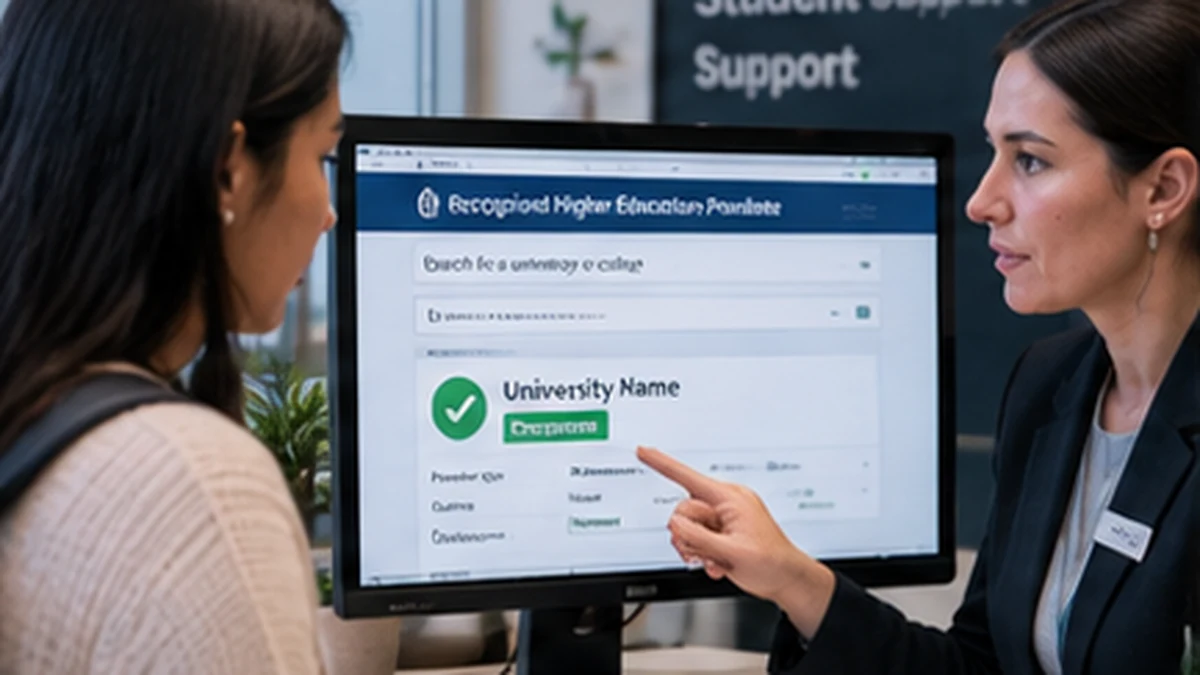
  • Compare Education Providers: Colleges, Training Providers and Online Programs

    Compare Education Providers: Colleges, Training Providers and Online Programs

    Compare education providers Education providers can look similar on a search page while offering very different value. The comparison should go beyond campus photos, testimonials, rankings or one headline tuition price. Learners need to compare the full educational experience: recognition, teaching, curriculum, support, cost, completion expectations and the outcomes that matter for their next step.

    This guide is designed to help learners make careful education decisions using evidence, official sources and realistic planning. Education systems differ by country and institution, so local rules, recognition and policies should always be checked through the appropriate authority. In this compare education providers guide, apply the principle to the exact provider, program and country you are considering.

    Compare education providers using the same criteria

    Create one comparison table and use identical categories for every provider. Include recognition, program length, learning outcomes, delivery format, tuition, total cost, support, assessment, practical experience and progression options.

    After this section, write one sentence describing what you know and one describing what still needs verification. This keeps compare education providers grounded in evidence instead of assumptions.

    For a stronger decision, compare at least two pieces of evidence related to compare education providers using the same criteria: one from the provider or program itself and one from an independent or official source. The comparison helps you see where marketing language ends and verifiable information begins.

    Compare the curriculum, not only the course title

    Two programs with the same name can teach different content. Review modules, learning outcomes, assessment, electives, practical experience and final projects. Look for the subjects that matter to your goal.

    Use this section as a checkpoint: if the answer would change your choice, cost, eligibility or safety, verify it before moving forward with compare education providers.

    For a stronger decision, compare at least two pieces of evidence related to compare the curriculum, not only the course title: one from the provider or program itself and one from an independent or official source. The comparison helps you see where marketing language ends and verifiable information begins.

    Look at teaching format and contact time

    Ask how much teaching is live, recorded, self-directed, practical, laboratory-based, project-based or work-based. Check class size and access to instructors where possible.

    Keep a short note of the source, date checked and any condition attached to the information. Education decisions often unfold over weeks, and details can be forgotten.

    For a stronger decision, compare at least two pieces of evidence related to look at teaching format and contact time: one from the provider or program itself and one from an independent or official source. The comparison helps you see where marketing language ends and verifiable information begins.

    Compare total cost and support together

    Include fees, books, software, equipment, examinations, travel, housing, placement costs and recurring platform charges. Then compare academic advising, tutoring, accessibility, careers and technology support.

    If the answer is unclear, ask the institution or competent authority a focused question rather than filling the gap with guesswork. That small habit improves compare education providers quality.

    For a stronger decision, compare at least two pieces of evidence related to compare total cost and support together: one from the provider or program itself and one from an independent or official source. The comparison helps you see where marketing language ends and verifiable information begins.

    Use outcome information and student experiences carefully

    Graduation, completion, employment, earnings or transfer data can be useful, but check definitions and methodology. Student reviews can reveal patterns, but they are subjective and should not replace official information.

    Decide whether this point is mandatory, optional or simply useful. Separating those categories prevents compare education providers from becoming overloaded with low-priority details.

    For a stronger decision, compare at least two pieces of evidence related to use outcome information and student experiences carefully: one from the provider or program itself and one from an independent or official source. The comparison helps you see where marketing language ends and verifiable information begins.

    A realistic education example

    A student compares three business programs. The most famous provider is also the most expensive, but its curriculum is less relevant to the student’s goal and the commute is difficult. A less famous recognized institution offers stronger project work, better scheduling and lower total cost. The comparison changes once every provider is measured on the same criteria.

    The lesson is not that every learner should make the same choice. It shows how compare education providers becomes more reliable when the student compares recognition, learning quality, cost, support and practical fit before making an irreversible commitment.

    Connect this decision to the rest of your education plan

    Use verify accreditation before comparing finer details when that becomes the next question, and review compare student support services across providers when you need to strengthen another part of the decision.

    Education planning works best as a sequence. Resolve the highest-risk question first, then move to the next decision instead of trying to optimize every part of compare education providers at once.

    Common mistakes with compare education providers

    • Using different criteria for each provider.
    • Choosing on brand reputation alone.
    • Comparing tuition but not total cost.
    • Ignoring student support and delivery format.
    • Treating one review or ranking as decisive.

    These mistakes are common because education decisions mix hope, urgency, money and long-term goals. Slowing the process enough to verify each important claim can prevent expensive corrections later.

    A seven-day action plan for compare education providers

    Day 1: define the outcome and gather the information you already have. Day 2: verify official recognition or provider status where relevant. Day 3: compare curriculum, format or requirements. Day 4: calculate cost and time. Day 5: check support, policies or transfer rules. Day 6: identify risks and unanswered questions. Day 7: review the evidence and decide whether to proceed, pause or compare another option. In this compare education providers guide, apply the principle to the exact provider, program and country you are considering.

    This schedule is only a framework. Some education decisions need more time because institutions respond slowly, transfer evaluations take weeks, or financial plans require family discussion. The purpose is to organize compare education providers, not rush it.

    Practical checklist

    • Same criteria used for every provider
    • Curriculum compared
    • Teaching format reviewed
    • Total cost calculated
    • Support services checked
    • Outcome data interpreted carefully
    • Current students consulted
    • Reason for final choice documented

    Use the checklist to reveal missing information, not to force a quick yes-or-no answer. A strong compare education providers decision is one where the remaining uncertainty is visible and acceptable.

    Build a comparison that survives marketing pressure

    Give each provider a written note for the criteria that matter most to you and use those criteria consistently. Do not change the rules after seeing a persuasive advertisement or attractive campus photo. A stable comparison protects the decision from momentary emotion.

    Separate must-have criteria from preferences. Recognition, affordability, schedule, location, and required support may be non-negotiable, while facilities or optional activities may be preferences. This prevents attractive extras from hiding a serious mismatch.

    Compare what happens when students struggle

    Ask how academic warnings, failed modules, missed deadlines, financial difficulty, accessibility needs, and personal emergencies are handled. Education quality includes the system for recovery, not only the experience of students who never encounter a problem.

    A provider that explains support pathways clearly may be easier to trust than one that talks only about success stories. Real programs should have policies for ordinary student difficulties.

    Document the reason for your final choice

    Write a short decision note explaining why the chosen provider fits better than the alternatives. Include the two or three strongest reasons and the major trade-offs you accepted. This forces the decision to become specific.

    Keep the note with your offer letter and fee information. If doubts appear later, you can review what you knew at the time instead of reconstructing the decision from memory or emotion.

    Frequently Asked Questions

    Should rankings decide where I study?

    Rankings can be one source of information, but they rarely measure every factor that matters to an individual learner. Program fit, cost, support and recognition may matter more.

    How many providers should I compare?

    Enough to understand the range of realistic choices. Three to five serious options are often more useful than a huge list with little research.

    Are student reviews reliable?

    They are subjective but useful for patterns. Compare multiple reviews and verify factual claims through official sources.

    What if two programs look almost identical?

    Look deeper at assessment, instructor access, support, practical experience, scheduling and total cost. Small operational differences can affect the student experience significantly.

    Questions to ask before you make the final decision

    Before you commit, write down the three questions that could still change your decision about compare education providers. One question should be about quality or recognition, one about cost or time, and one about what happens after completion. This simple exercise stops minor details from crowding out the questions that could genuinely change the value of the education choice.

    When you ask an institution or provider a question, look for a specific answer rather than reassurance. Names, policies, dates, official links, written conditions, and examples are more useful than phrases such as “don’t worry” or “everyone accepts this.” Keep important answers with your application or enrollment records so the decision remains traceable later. For Compare Education Providers: Colleges, Training Providers and Online Programs, keep this review tied to the specific institution, learning format, and outcome you selected.

    How to document your research

    Create one private folder for Compare Education Providers: Colleges, Training Providers and Online Programs. Save the official program page, recognition or registry result, fee schedule, curriculum, support information, important emails, refund rules, and any comparison notes. Add the date beside information that may change. A clean research file helps you avoid repeating the same searches and makes it easier to explain why you chose the program.

    Documentation is particularly useful when the decision takes several months. Tuition may change, staff may leave, pages may be updated, or your own priorities may shift. Keeping the original evidence does not mean you should ignore newer information; it gives you a reliable baseline for comparing what changed and deciding whether the change matters. For Compare Education Providers: Colleges, Training Providers and Online Programs, keep this review tied to the specific institution, learning format, and outcome you selected.

    Review the decision after you start

    Enrollment is not the end of compare education providers. During the first meaningful stage of the program, compare the real experience with the evidence you used before enrolling. Check teaching quality, workload, access to support, unexpected costs, assessment, communication, and whether the program is building the knowledge or evidence you expected.

    If something is different, identify whether it is a normal adjustment problem or a structural issue. New students often need time to adapt to pace and expectations, but unrecognized credentials, hidden fees, unavailable support, or major differences between the advertised and delivered program deserve a more serious response. A review habit helps you act on problems while options may still be open. For Compare Education Providers: Colleges, Training Providers and Online Programs, keep this review tied to the specific institution, learning format, and outcome you selected.

    Authoritative resource to review

    For an authoritative reference related to this topic, review Federal Student Aid – Choosing a College or Career School. Education systems differ by country, so use the official national authority, institution or regulator when a local recognition or legal question matters.

    Final perspective

    Compare education providers becomes easier when the decision is built from verified information rather than urgency or marketing. Compare the evidence, protect your money and personal information, and keep a record of the sources that shaped your choice.

  • How to Verify Accreditation and Recognition Before Enrolling

    How to Verify Accreditation and Recognition Before Enrolling

    Verify accreditation and recognition Accreditation and recognition can affect whether a qualification is accepted for employment, further study, licensing, credit transfer, immigration or professional registration. The exact system differs by country, so learners should verify status through the national competent authority or another recognized official source rather than relying on a provider’s own claims.

    This guide is designed to help learners make careful education decisions using evidence, official sources and realistic planning. Education systems differ by country and institution, so local rules, recognition and policies should always be checked through the appropriate authority. In this verify accreditation and recognition guide, apply the principle to the exact provider, program and country you are considering.

    Verify accreditation and recognition at institution level first

    Check whether the institution is recognized by the national authority responsible for higher education in the country where it is established. For higher-education institutions, the IAU/UNESCO World Higher Education Database can be a useful global reference.

    After this section, write one sentence describing what you know and one describing what still needs verification. This keeps verify accreditation and recognition grounded in evidence instead of assumptions.

    For a stronger decision, compare at least two pieces of evidence related to verify accreditation and recognition at institution level first: one from the provider or program itself and one from an independent or official source. The comparison helps you see where marketing language ends and verifiable information begins.

    Check the program, not only the institution

    An institution may be recognized while a particular program has additional approval requirements. This is common in regulated fields such as nursing, teaching, engineering, law or health professions.

    Use this section as a checkpoint: if the answer would change your choice, cost, eligibility or safety, verify it before moving forward with verify accreditation and recognition.

    For a stronger decision, compare at least two pieces of evidence related to check the program, not only the institution: one from the provider or program itself and one from an independent or official source. The comparison helps you see where marketing language ends and verifiable information begins.

    Understand recognition versus membership or ranking

    Professional associations, private quality labels, rankings, memberships and partnerships can be useful, but they are not automatically the same as legal recognition or academic accreditation.

    Keep a short note of the source, date checked and any condition attached to the information. Education decisions often unfold over weeks, and details can be forgotten.

    For a stronger decision, compare at least two pieces of evidence related to understand recognition versus membership or ranking: one from the provider or program itself and one from an independent or official source. The comparison helps you see where marketing language ends and verifiable information begins.

    Verify cross-border and online programs carefully

    Online programs can be legitimate, but recognition may depend on the institution’s home country, the learner’s country, professional rules or how the program is delivered. Check how the qualification will be used where you plan to use it.

    If the answer is unclear, ask the institution or competent authority a focused question rather than filling the gap with guesswork. That small habit improves verify accreditation and recognition quality.

    For a stronger decision, compare at least two pieces of evidence related to verify cross-border and online programs carefully: one from the provider or program itself and one from an independent or official source. The comparison helps you see where marketing language ends and verifiable information begins.

    Check professional licensing and further-study rules separately

    Graduating from a recognized program does not always mean you can immediately work in a regulated profession. Likewise, a receiving university may have its own rules for admitting students or recognizing previous qualifications.

    Decide whether this point is mandatory, optional or simply useful. Separating those categories prevents verify accreditation and recognition from becoming overloaded with low-priority details.

    For a stronger decision, compare at least two pieces of evidence related to check professional licensing and further-study rules separately: one from the provider or program itself and one from an independent or official source. The comparison helps you see where marketing language ends and verifiable information begins.

    A realistic education example

    A student finds an online university with professional branding and a long list of “international accreditations.” Instead of trusting the badges, the student checks the national higher-education authority and WHED, then verifies whether the specific online program has the recognition needed for postgraduate admission. The process reveals that some badges are memberships, not degree recognition.

    The lesson is not that every learner should make the same choice. It shows how verify accreditation and recognition becomes more reliable when the student compares recognition, learning quality, cost, support and practical fit before making an irreversible commitment.

    Connect this decision to the rest of your education plan

    Use compare providers after recognition is confirmed when that becomes the next question, and review run a wider provider verification before paying when you need to strengthen another part of the decision.

    Education planning works best as a sequence. Resolve the highest-risk question first, then move to the next decision instead of trying to optimize every part of verify accreditation and recognition at once.

    Common mistakes with verify accreditation and recognition

    • Trusting logos on a provider website.
    • Checking only the institution and not the program.
    • Confusing membership with accreditation.
    • Assuming recognition automatically transfers across borders.
    • Forgetting professional licensing requirements.

    These mistakes are common because education decisions mix hope, urgency, money and long-term goals. Slowing the process enough to verify each important claim can prevent expensive corrections later.

    A seven-day action plan for verify accreditation and recognition

    Day 1: define the outcome and gather the information you already have. Day 2: verify official recognition or provider status where relevant. Day 3: compare curriculum, format or requirements. Day 4: calculate cost and time. Day 5: check support, policies or transfer rules. Day 6: identify risks and unanswered questions. Day 7: review the evidence and decide whether to proceed, pause or compare another option. In this verify accreditation and recognition guide, apply the principle to the exact provider, program and country you are considering.

    This schedule is only a framework. Some education decisions need more time because institutions respond slowly, transfer evaluations take weeks, or financial plans require family discussion. The purpose is to organize verify accreditation and recognition, not rush it.

    Practical checklist

    • Institution status checked
    • Program status checked
    • Accreditor verified independently
    • Professional licensing checked if relevant
    • Cross-border recognition researched
    • Further-study rules checked
    • Verification record saved
    • Unclear claims resolved before payment

    Use the checklist to reveal missing information, not to force a quick yes-or-no answer. A strong verify accreditation and recognition decision is one where the remaining uncertainty is visible and acceptable.

    What to do when recognition is difficult to confirm

    Contact the competent authority directly and ask what information is needed to verify the institution or qualification. Use the exact legal name, country, awarding body, campus, and program title rather than a shortened marketing name.

    If the provider operates through a franchise, validation partner, branch campus, or teaching center, confirm that relationship. Recognition can depend on which organization actually awards the qualification and whether the partnership is officially approved.

    Keep separate records for academic and professional recognition

    Academic recognition may determine whether a qualification is accepted for further study, while professional recognition may determine whether you can work in a regulated occupation. These decisions can come from different authorities.

    Create two verification notes when both matter. One should show the institution and credential status; the other should show the licensing or professional route. This avoids assuming that one approval automatically solves the other.

    Recheck status before final enrollment or graduation plans

    Recognition information can change, particularly when a provider changes ownership, campus, program structure, or partnership arrangements. Recheck the official status before making a major payment and again if the program changes while you are enrolled.

    If you intend to use the qualification internationally, also confirm how the destination country evaluates foreign credentials. A legitimate qualification may still require a formal recognition or equivalency process elsewhere.

    Frequently Asked Questions

    Does WHED list every type of education provider?

    No. WHED focuses on recognized higher-education institutions meeting its criteria. Short-course or vocational providers may require verification through other national authorities.

    Is a private accreditation label enough?

    Not necessarily. You need to understand who issued it and whether that organization has authority relevant to your purpose.

    Can a recognized degree still need professional licensing?

    Yes. Regulated professions often have separate licensing or registration requirements.

    What if the provider says recognition is pending?

    Treat pending recognition as different from current recognition. Decide based on the status that exists now unless the official authority states otherwise.

    Questions to ask before you make the final decision

    Before you commit, write down the three questions that could still change your decision about verify accreditation and recognition. One question should be about quality or recognition, one about cost or time, and one about what happens after completion. This simple exercise stops minor details from crowding out the questions that could genuinely change the value of the education choice.

    When you ask an institution or provider a question, look for a specific answer rather than reassurance. Names, policies, dates, official links, written conditions, and examples are more useful than phrases such as “don’t worry” or “everyone accepts this.” Keep important answers with your application or enrollment records so the decision remains traceable later. For How to Verify Accreditation and Recognition Before Enrolling, keep this review tied to the specific institution, learning format, and outcome you selected.

    How to document your research

    Create one private folder for How to Verify Accreditation and Recognition Before Enrolling. Save the official program page, recognition or registry result, fee schedule, curriculum, support information, important emails, refund rules, and any comparison notes. Add the date beside information that may change. A clean research file helps you avoid repeating the same searches and makes it easier to explain why you chose the program.

    Documentation is particularly useful when the decision takes several months. Tuition may change, staff may leave, pages may be updated, or your own priorities may shift. Keeping the original evidence does not mean you should ignore newer information; it gives you a reliable baseline for comparing what changed and deciding whether the change matters. For How to Verify Accreditation and Recognition Before Enrolling, keep this review tied to the specific institution, learning format, and outcome you selected.

    Review the decision after you start

    Enrollment is not the end of verify accreditation and recognition. During the first meaningful stage of the program, compare the real experience with the evidence you used before enrolling. Check teaching quality, workload, access to support, unexpected costs, assessment, communication, and whether the program is building the knowledge or evidence you expected.

    If something is different, identify whether it is a normal adjustment problem or a structural issue. New students often need time to adapt to pace and expectations, but unrecognized credentials, hidden fees, unavailable support, or major differences between the advertised and delivered program deserve a more serious response. A review habit helps you act on problems while options may still be open. For How to Verify Accreditation and Recognition Before Enrolling, keep this review tied to the specific institution, learning format, and outcome you selected.

    Authoritative resource to review

    For an authoritative reference related to this topic, review IAU/UNESCO World Higher Education Database. Education systems differ by country, so use the official national authority, institution or regulator when a local recognition or legal question matters.

    Final perspective

    Verify accreditation and recognition becomes easier when the decision is built from verified information rather than urgency or marketing. Compare the evidence, protect your money and personal information, and keep a record of the sources that shaped your choice.

  • How to Evaluate an Online Course Before Enrolling

    How to Evaluate an Online Course Before Enrolling

    Evaluate an online course Online learning can be flexible and valuable, but the quality range is enormous. Two courses on the same topic may differ completely in teaching depth, instructor expertise, assignments, support, recognition and the amount of work expected. A polished landing page tells you very little about how useful the learning experience will actually be.

    This guide is designed to help learners make careful education decisions using evidence, official sources and realistic planning. Education systems differ by country and institution, so local rules, recognition and policies should always be checked through the appropriate authority. In this evaluate an online course guide, apply the principle to the exact provider, program and country you are considering.

    Evaluate an online course by reading the learning outcomes

    Strong learning outcomes describe what a learner should understand or be able to do by the end. Vague promises such as “transform your career” are marketing claims, not learning outcomes. Look for specific abilities, tools, projects or assessments.

    After this section, write one sentence describing what you know and one describing what still needs verification. This keeps evaluate an online course grounded in evidence instead of assumptions.

    For a stronger decision, compare at least two pieces of evidence related to evaluate an online course by reading the learning outcomes: one from the provider or program itself and one from an independent or official source. The comparison helps you see where marketing language ends and verifiable information begins.

    Check the instructor and teaching team

    Review the instructor’s subject experience and, where relevant, teaching background. Also check who answers questions: the instructor, teaching assistants, peer forums or automated systems. The support model can matter as much as the recorded lessons.

    Use this section as a checkpoint: if the answer would change your choice, cost, eligibility or safety, verify it before moving forward with evaluate an online course.

    For a stronger decision, compare at least two pieces of evidence related to check the instructor and teaching team: one from the provider or program itself and one from an independent or official source. The comparison helps you see where marketing language ends and verifiable information begins.

    Look for practice, assessment and feedback

    Projects, quizzes, labs, case studies, writing, discussion and other forms of practice help reveal whether understanding is real. A course made only of passive videos may be fine for exploration but weak for building demonstrable ability.

    Keep a short note of the source, date checked and any condition attached to the information. Education decisions often unfold over weeks, and details can be forgotten.

    For a stronger decision, compare at least two pieces of evidence related to look for practice, assessment and feedback: one from the provider or program itself and one from an independent or official source. The comparison helps you see where marketing language ends and verifiable information begins.

    Estimate the real time commitment

    Course pages may advertise video hours but not reading, projects, assignments or review. Compare the expected weekly workload with your schedule. A cheap course can be expensive in opportunity cost if it consumes far more time than expected.

    If the answer is unclear, ask the institution or competent authority a focused question rather than filling the gap with guesswork. That small habit improves evaluate an online course quality.

    For a stronger decision, compare at least two pieces of evidence related to estimate the real time commitment: one from the provider or program itself and one from an independent or official source. The comparison helps you see where marketing language ends and verifiable information begins.

    Understand the credential, technology and refund terms

    A completion certificate does not automatically mean academic credit or professional recognition. Check technology requirements, accessibility, how long you retain access, subscription renewal, cancellation and refund rules before paying.

    Decide whether this point is mandatory, optional or simply useful. Separating those categories prevents evaluate an online course from becoming overloaded with low-priority details.

    For a stronger decision, compare at least two pieces of evidence related to understand the credential, technology and refund terms: one from the provider or program itself and one from an independent or official source. The comparison helps you see where marketing language ends and verifiable information begins.

    A realistic education example

    A learner wants to improve project-management skills and finds an expensive online course promising certification in four weeks. Instead of enrolling immediately, the learner checks the syllabus, instructor, assessment, recognition, refund terms and weekly workload. A second provider offers a slightly longer course with graded projects and clearer recognition. The learner chooses based on evidence rather than urgency.

    The lesson is not that every learner should make the same choice. It shows how evaluate an online course becomes more reliable when the student compares recognition, learning quality, cost, support and practical fit before making an irreversible commitment.

    Connect this decision to the rest of your education plan

    Use verify recognition when the online credential matters when that becomes the next question, and review verify the education provider before paying fees when you need to strengthen another part of the decision.

    Education planning works best as a sequence. Resolve the highest-risk question first, then move to the next decision instead of trying to optimize every part of evaluate an online course at once.

    Common mistakes with evaluate an online course

    • Buying because of countdown timers or urgency.
    • Assuming a certificate equals formal recognition.
    • Ignoring the amount of independent work.
    • Choosing by price without comparing learning design.
    • Forgetting recurring subscription or refund terms.

    These mistakes are common because education decisions mix hope, urgency, money and long-term goals. Slowing the process enough to verify each important claim can prevent expensive corrections later.

    A seven-day action plan for evaluate an online course

    Day 1: define the outcome and gather the information you already have. Day 2: verify official recognition or provider status where relevant. Day 3: compare curriculum, format or requirements. Day 4: calculate cost and time. Day 5: check support, policies or transfer rules. Day 6: identify risks and unanswered questions. Day 7: review the evidence and decide whether to proceed, pause or compare another option. In this evaluate an online course guide, apply the principle to the exact provider, program and country you are considering.

    This schedule is only a framework. Some education decisions need more time because institutions respond slowly, transfer evaluations take weeks, or financial plans require family discussion. The purpose is to organize evaluate an online course, not rush it.

    Practical checklist

    • Learning outcomes reviewed
    • Instructor background checked
    • Practice and feedback present
    • Time commitment realistic
    • Credential understood
    • Technology requirements checked
    • Refund terms saved
    • Alternatives compared

    Use the checklist to reveal missing information, not to force a quick yes-or-no answer. A strong evaluate an online course decision is one where the remaining uncertainty is visible and acceptable.

    Use a sample lesson to judge the real teaching style

    A sample lesson can reveal whether the instructor explains concepts clearly, whether examples are current, how much prior knowledge is assumed, and whether the course is designed around understanding or simply presentation. Watch the sample actively rather than treating it as advertising.

    Pause and ask whether you could learn effectively from that format for several weeks. A charismatic instructor may still use weak assessment, while a less polished instructor may provide excellent explanation and practice. Judge the learning design as a whole.

    Check how completion is actually measured

    Some courses award a certificate after watching videos, while others require graded projects, exams, peer review, or instructor feedback. Understand the standard for completion before assuming the certificate proves a specific level of skill.

    If you need the course for professional evidence, look for work you can show later: a project, portfolio, assessment result, or supervised task. Completion alone may be less useful than an output that demonstrates capability.

    Plan for what happens after the course

    Before enrolling, decide how you will use the learning. Will you apply the skill at work, build a project, take a certification exam, enter a longer program, or update a portfolio? A course is more valuable when it sits inside a wider plan.

    Without a next-use plan, learners often finish a course and quickly lose the skill because the material is never applied. Schedule one follow-up project or review period while the content is still fresh.

    Frequently Asked Questions

    Are expensive online courses always better?

    No. Price can reflect branding, support, instruction or credential value, but it does not guarantee learning quality. Compare what the course actually provides.

    Can an online certificate help with jobs?

    It can, especially when it proves a relevant skill or comes from a recognized provider. Its value depends on the employer, field and evidence you can show.

    Should I choose self-paced or scheduled learning?

    Choose the format that fits your need for flexibility and accountability. Self-paced courses require stronger self-management, while scheduled courses may offer more structure.

    What is a red flag in an online course?

    Guarantees of jobs, unclear instructors, vague outcomes, high-pressure payment tactics, fake recognition claims or hidden subscription terms deserve caution.

    Questions to ask before you make the final decision

    Before you commit, write down the three questions that could still change your decision about evaluate an online course. One question should be about quality or recognition, one about cost or time, and one about what happens after completion. This simple exercise stops minor details from crowding out the questions that could genuinely change the value of the education choice.

    When you ask an institution or provider a question, look for a specific answer rather than reassurance. Names, policies, dates, official links, written conditions, and examples are more useful than phrases such as “don’t worry” or “everyone accepts this.” Keep important answers with your application or enrollment records so the decision remains traceable later. For How to Evaluate an Online Course Before Enrolling, keep this review tied to the specific institution, learning format, and outcome you selected.

    How to document your research

    Create one private folder for How to Evaluate an Online Course Before Enrolling. Save the official program page, recognition or registry result, fee schedule, curriculum, support information, important emails, refund rules, and any comparison notes. Add the date beside information that may change. A clean research file helps you avoid repeating the same searches and makes it easier to explain why you chose the program.

    Documentation is particularly useful when the decision takes several months. Tuition may change, staff may leave, pages may be updated, or your own priorities may shift. Keeping the original evidence does not mean you should ignore newer information; it gives you a reliable baseline for comparing what changed and deciding whether the change matters. For How to Evaluate an Online Course Before Enrolling, keep this review tied to the specific institution, learning format, and outcome you selected.

    Review the decision after you start

    Enrollment is not the end of evaluate an online course. During the first meaningful stage of the program, compare the real experience with the evidence you used before enrolling. Check teaching quality, workload, access to support, unexpected costs, assessment, communication, and whether the program is building the knowledge or evidence you expected.

    If something is different, identify whether it is a normal adjustment problem or a structural issue. New students often need time to adapt to pace and expectations, but unrecognized credentials, hidden fees, unavailable support, or major differences between the advertised and delivered program deserve a more serious response. A review habit helps you act on problems while options may still be open. For How to Evaluate an Online Course Before Enrolling, keep this review tied to the specific institution, learning format, and outcome you selected.

    Authoritative resource to review

    For an authoritative reference related to this topic, review UNESCO Digital Learning. Education systems differ by country, so use the official national authority, institution or regulator when a local recognition or legal question matters.

    Final perspective

    Evaluate an online course becomes easier when the decision is built from verified information rather than urgency or marketing. Compare the evidence, protect your money and personal information, and keep a record of the sources that shaped your choice.

  • How to Choose the Right Learning Path for Your Goals

    How to Choose the Right Learning Path for Your Goals

    Choose the right learning path Choosing an education path affects time, money, future options and the evidence you will be able to show later. A degree, vocational program, short course, certificate, apprenticeship or online program can all be useful in the right context, but none is automatically the best choice for every learner.

    This guide is designed to help learners make careful education decisions using evidence, official sources and realistic planning. Education systems differ by country and institution, so local rules, recognition and policies should always be checked through the appropriate authority. In this choose the right learning path guide, apply the principle to the exact provider, program and country you are considering.

    Choose the right learning path by defining the outcome first

    State what you need the education to unlock: entry into a profession, preparation for further study, a practical skill, a recognized credential, a portfolio, promotion, or deeper knowledge. The clearer the outcome, the easier it becomes to judge whether the program type fits.

    After this section, write one sentence describing what you know and one describing what still needs verification. This keeps choose the right learning path grounded in evidence instead of assumptions.

    For a stronger decision, compare at least two pieces of evidence related to choose the right learning path by defining the outcome first: one from the provider or program itself and one from an independent or official source. The comparison helps you see where marketing language ends and verifiable information begins.

    Match the program type to the evidence you need

    A qualification can produce academic credit, a degree, a license, a certificate, a portfolio, supervised practice or simply knowledge. These outcomes are not interchangeable. Decide what kind of evidence the next employer, institution or regulator will actually care about.

    Use this section as a checkpoint: if the answer would change your choice, cost, eligibility or safety, verify it before moving forward with choose the right learning path.

    For a stronger decision, compare at least two pieces of evidence related to match the program type to the evidence you need: one from the provider or program itself and one from an independent or official source. The comparison helps you see where marketing language ends and verifiable information begins.

    Verify recognition where it matters

    If the decision involves formal higher education or a regulated profession, check the institution and program through the relevant national authority, regulator or professional body. Recognition claims should be independently traceable.

    Keep a short note of the source, date checked and any condition attached to the information. Education decisions often unfold over weeks, and details can be forgotten.

    For a stronger decision, compare at least two pieces of evidence related to verify recognition where it matters: one from the provider or program itself and one from an independent or official source. The comparison helps you see where marketing language ends and verifiable information begins.

    Compare time and workload with your real life

    Look beyond the advertised length. Add classes, assignments, travel, placements, exams and independent study. A slower path that fits your work and family responsibilities may be more successful than an accelerated option you cannot sustain.

    If the answer is unclear, ask the institution or competent authority a focused question rather than filling the gap with guesswork. That small habit improves choose the right learning path quality.

    For a stronger decision, compare at least two pieces of evidence related to compare time and workload with your real life: one from the provider or program itself and one from an independent or official source. The comparison helps you see where marketing language ends and verifiable information begins.

    Evaluate teaching quality and future flexibility

    Look for clear learning outcomes, meaningful assessment, qualified instructors, practical work, feedback, transfer possibilities and progression routes. A program should help you build capability and preserve reasonable future options.

    Decide whether this point is mandatory, optional or simply useful. Separating those categories prevents choose the right learning path from becoming overloaded with low-priority details.

    For a stronger decision, compare at least two pieces of evidence related to evaluate teaching quality and future flexibility: one from the provider or program itself and one from an independent or official source. The comparison helps you see where marketing language ends and verifiable information begins.

    A realistic education example

    A working learner wants to move into data-related work and is choosing between a full degree, a one-year diploma and several short online courses. Instead of asking which option sounds most impressive, the learner checks employer requirements, recognition, schedule, total cost and whether each path produces projects that can be shown in applications. The final choice becomes a staged plan: begin with a recognized part-time program and use shorter courses only for specific technical gaps.

    The lesson is not that every learner should make the same choice. It shows how choose the right learning path becomes more reliable when the student compares recognition, learning quality, cost, support and practical fit before making an irreversible commitment.

    Connect this decision to the rest of your education plan

    Use compare education providers before making a final choice when that becomes the next question, and review build a realistic education budget before enrolling when you need to strengthen another part of the decision.

    Education planning works best as a sequence. Resolve the highest-risk question first, then move to the next decision instead of trying to optimize every part of choose the right learning path at once.

    Common mistakes with choose the right learning path

    • Choosing based on prestige alone.
    • Ignoring professional or national recognition.
    • Underestimating weekly workload.
    • Counting only tuition and not total cost.
    • Committing before testing whether the field actually fits.

    These mistakes are common because education decisions mix hope, urgency, money and long-term goals. Slowing the process enough to verify each important claim can prevent expensive corrections later.

    A seven-day action plan for choose the right learning path

    Day 1: define the outcome and gather the information you already have. Day 2: verify official recognition or provider status where relevant. Day 3: compare curriculum, format or requirements. Day 4: calculate cost and time. Day 5: check support, policies or transfer rules. Day 6: identify risks and unanswered questions. Day 7: review the evidence and decide whether to proceed, pause or compare another option. In this choose the right learning path guide, apply the principle to the exact provider, program and country you are considering.

    This schedule is only a framework. Some education decisions need more time because institutions respond slowly, transfer evaluations take weeks, or financial plans require family discussion. The purpose is to organize choose the right learning path, not rush it.

    Practical checklist

    • Goal defined in practical terms
    • Program type matched to the outcome
    • Recognition checked
    • Time commitment reviewed
    • Learning quality compared
    • Future flexibility considered
    • Total cost estimated
    • Review point scheduled

    Use the checklist to reveal missing information, not to force a quick yes-or-no answer. A strong choose the right learning path decision is one where the remaining uncertainty is visible and acceptable.

    Questions to ask before you commit to a learning path

    Ask what graduates or completers can do next, whether the qualification leads to further study, what support exists when learners fall behind, and what happens if you need to pause. Practical questions expose how the program works after the marketing conversation ends.

    Also ask what you are giving up to choose this path. Time away from work, relocation, family responsibilities, lost income, and alternative learning options all have value. A strong decision considers opportunity cost as well as tuition.

    Test the path before making the largest commitment

    When possible, try a low-risk version of the field first: an introductory course, a short project, a work-shadowing opportunity, a conversation with a professional, or a sample lesson. Direct exposure can reveal whether the daily work matches the idea you have in your head.

    Testing is especially useful when the program is long or expensive. A small experiment cannot answer every question, but it can prevent you from buying years of education mainly because the career title sounded attractive.

    How to review your choice after enrollment

    Set a review point after the first major module, term, or assessment. Compare the experience with what you expected: teaching quality, workload, support, interest, costs, and whether the program is building the evidence you need.

    If the path is not working, separate temporary difficulty from structural mismatch. Hard subjects are normal; misleading recognition, unmanageable cost, or a program that does not lead where you expected are different problems that deserve action.

    Frequently Asked Questions

    Is a degree always better than a short course?

    No. A degree may be necessary for some professions and progression routes, while a short course may be more efficient for a narrow skill. The right choice depends on the outcome you need.

    How do I know whether a credential will be recognized?

    Check the national competent authority, official institution registry, professional regulator, or another official source relevant to the country and profession.

    Should I choose the fastest program?

    Not automatically. Faster programs can be useful, but only if the pace, recognition, learning quality and workload fit your needs.

    What if I am still unsure about my goal?

    Choose low-risk exploration first: introductory courses, career research, short projects or conversations with professionals. You do not need to make the most expensive commitment while the direction is still unclear.

    Questions to ask before you make the final decision

    Before you commit, write down the three questions that could still change your decision about choose the right learning path. One question should be about quality or recognition, one about cost or time, and one about what happens after completion. This simple exercise stops minor details from crowding out the questions that could genuinely change the value of the education choice.

    When you ask an institution or provider a question, look for a specific answer rather than reassurance. Names, policies, dates, official links, written conditions, and examples are more useful than phrases such as “don’t worry” or “everyone accepts this.” Keep important answers with your application or enrollment records so the decision remains traceable later. For How to Choose the Right Learning Path for Your Goals, keep this review tied to the specific institution, learning format, and outcome you selected.

    How to document your research

    Create one private folder for How to Choose the Right Learning Path for Your Goals. Save the official program page, recognition or registry result, fee schedule, curriculum, support information, important emails, refund rules, and any comparison notes. Add the date beside information that may change. A clean research file helps you avoid repeating the same searches and makes it easier to explain why you chose the program.

    Documentation is particularly useful when the decision takes several months. Tuition may change, staff may leave, pages may be updated, or your own priorities may shift. Keeping the original evidence does not mean you should ignore newer information; it gives you a reliable baseline for comparing what changed and deciding whether the change matters. For How to Choose the Right Learning Path for Your Goals, keep this review tied to the specific institution, learning format, and outcome you selected.

    Review the decision after you start

    Enrollment is not the end of choose the right learning path. During the first meaningful stage of the program, compare the real experience with the evidence you used before enrolling. Check teaching quality, workload, access to support, unexpected costs, assessment, communication, and whether the program is building the knowledge or evidence you expected.

    If something is different, identify whether it is a normal adjustment problem or a structural issue. New students often need time to adapt to pace and expectations, but unrecognized credentials, hidden fees, unavailable support, or major differences between the advertised and delivered program deserve a more serious response. A review habit helps you act on problems while options may still be open. For How to Choose the Right Learning Path for Your Goals, keep this review tied to the specific institution, learning format, and outcome you selected.

    Authoritative resource to review

    For an authoritative reference related to this topic, review UNESCO Quality Learning. Education systems differ by country, so use the official national authority, institution or regulator when a local recognition or legal question matters.

    Final perspective

    Choose the right learning path becomes easier when the decision is built from verified information rather than urgency or marketing. Compare the evidence, protect your money and personal information, and keep a record of the sources that shaped your choice.